
Winter Skin Reset: Is Your Cleanser Stripping Your Barrier?
If your skin feels tight, stingy, or “squeaky” after cleansing, that isn’t your skin being “extra clean.” It’s usually your barrier asking for help—and in winter it happens faster than most people realise. Cold air and central heating dry the air out, so the skin loses moisture faster (TEWL-Transepidermal Water Loss increases).
The “Squeaky Clean” Myth
That squeaky, tight feeling is not a sign of a great cleanse, it could be your cleanser is stripping your barrier. It’s often a sign you’ve stripped away protective lipids that keep your skin calm, hydrated and resilient.
In winter, when TEWL is already higher, harsh cleansing can tip skin into irritation, flaking, and that frustrating combination of dryness with congestion. The goal is simple: cleanse in a way that leaves skin feeling comfortable—not “scoured.”
A good cleanse should leave your skin:
Calm (no stinging)
Soft (no tightness)
Balanced (not greasy, not stripped)

What’s actually happening when your skin feels tight?
Think of your barrier like a protective seal. It’s built from skin cells and lipids (your skin’s natural “mortar”). When cleansing is too harsh—strong foaming agents, very hot water, over-cleansing, scrubbing—you remove more than you intended.
That can lead to:
Tightness within minutes of washing
Stinging when you apply products
More redness and reactivity
Flaking around the nose/mouth/chin
Makeup sitting badly or separating
And sometimes rebound oiliness and congestion (very common)
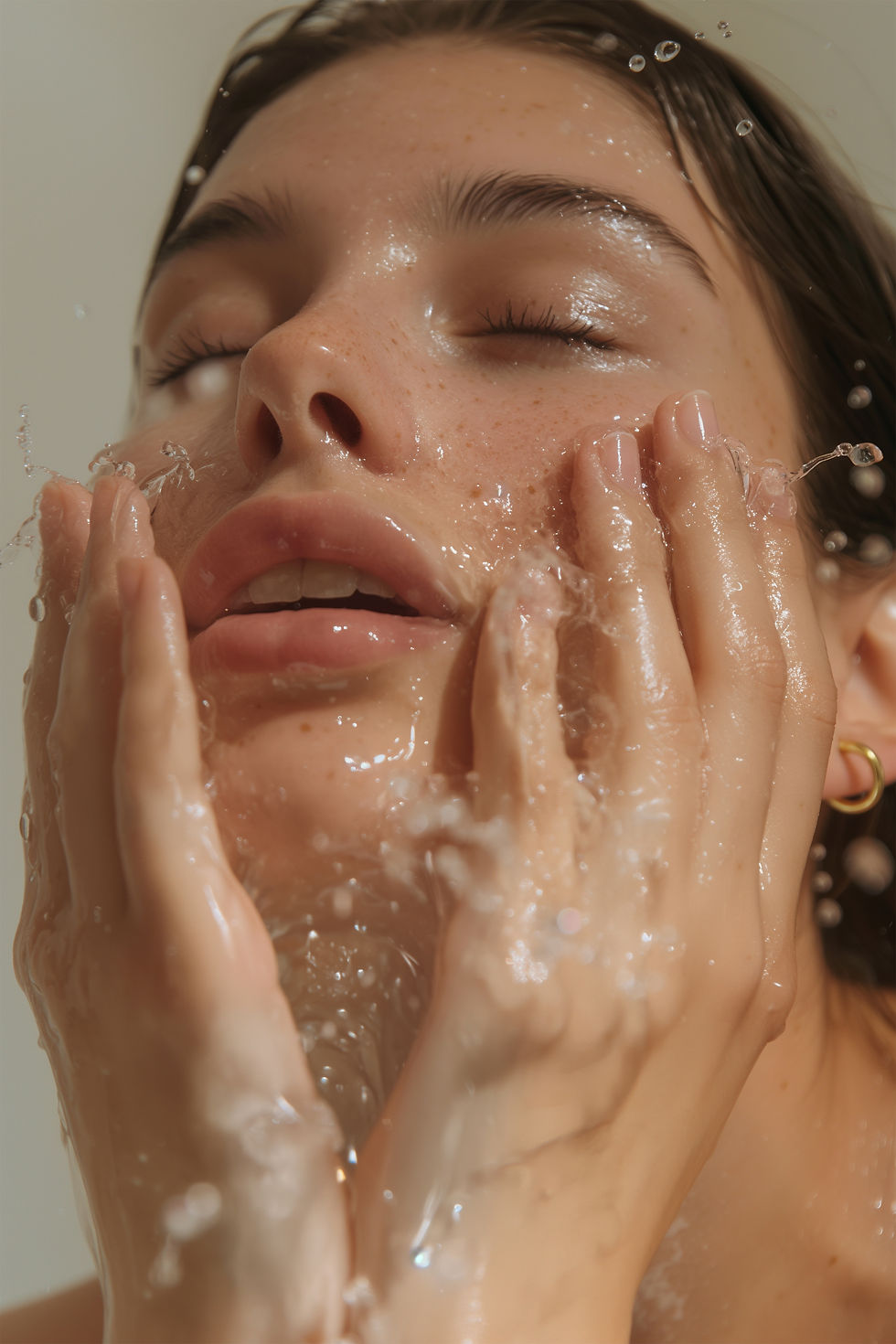
Signs your cleanser is stripping your barrier
If you recognise two or more of these, it’s worth changing your approach:
Tight, squeaky feeling after cleansing
Stinging with “gentle” skincare
Sudden sensitivity or redness
Dry patches that keep coming back
Breakouts that appear alongside dryness
The barrier-first cleansing framework (simple and effective)
Morning (AM)
If you wake up dry, tight or reactive:
Keep it minimal: lukewarm water or a very gentle cleanse only where needed
If you wake up oily/congested:
Use a gentle, low-foam cleanser (comfort is the goal—not squeaky)
Evening (PM)
If you wear SPF and/or makeup:
Step 1: An emulsifying oil/balm to dissolve SPF/makeup
Step 2 (only if needed): A gentle second cleanse
Rule: after cleansing, your skin should feel calm and comfortable.
What to look for in a winter-friendly cleanser

Look for formulas that are:
Low-foam or cream/gel cleansers that don’t leave skin tight
Cleansing oils/balms that emulsify and rinse clean
Fragrance-free (or very low fragrance), especially if you’re reactive

Helpful ingredients:
Glycerin, panthenol (B5), allantoin (hydrating and calming)
Oat derivatives (soothing for reactive skin) and squalane (comfort + softness)
Ceramides / cholesterol / fatty acids (barrier-supporting lipids)
Betaine or hyaluronic acid (extra hydration support, especially in winter.
Be cautious with:
“Deep cleanse” claims in winter
Strong foaming cleansers
Cleansers heavy in strong foaming surfactants (e.g., SLS/SLES or olefin sulfonate) that leave skin feeling “squeaky”
Hot water and aggressive cleansing tools
The 7-Day Winter Skin Reset
If your skin feels out of balance, do this for one week before you throw more actives at it.
Days 1–3: Calm + protect
Gentle cleansing (reduce friction and hot water)
Hydration + a barrier-support moisturiser
SPF every morning
Pause “tingly” actives if you’re stinging
Days 4–7: Rebuild + stabilise
Keep the routine consistent (this is where results happen)
If your skin is calm, reintroduce actives slowly (1–2 nights/week)
Pause for 7 days if you’re tight/stinging:
frequent acids/exfoliation
strong retinoids (if actively irritated)
fragranced “active” products

When it’s time to book in?
If your skin keeps rebounding—tight, reactive, red, or congested despite simplifying—this is where a bespoke facial helps.
In clinic, I focus on restoring comfort and function first (barrier support, hydration, calming inflammation). Once the skin is stable, results from active treatments and homecare improve dramatically.
FAQ'S
Should I double cleanse every night?
In most cases, yes — especially if you wear SPF, makeup, or live in a city environment. A first cleanse removes SPF, makeup and surface debris; a second gentle cleanse properly cleans the skin. The key is choosing formulas that don’t leave skin tight and keeping the second cleanse brief, your skin should feel comfortable, not tight.
How long does barrier repair take?
Barrier recovery varies based on the trigger and severity. If the cause is something like over-cleansing or over-exfoliation, you may see changes within 1–2 weeks with gentle care. If irritation has been ongoing (for example from retinoids, fragranced creams, or persistent inflammation), expect a longer timeline and a slower reintroduction of actives.
Is tight skin always “dry skin”?
Not always. Tightness can be a sign of dehydration or barrier disruption—even if your skin looks shiny or you’re breaking out. This is common in winter, when the skin can lose water while still producing oil.
Why does my skin feel tight but look oily?
This is often dehydrated skin. When the barrier is stressed, your skin loses water more easily (TEWL increases), which creates that tight feeling. But oil (sebum) and water are different—so you can be low in water while still producing oil. If you’ve been over-cleansing, oil can also rebound and sit on the surface, making the skin look shinier even though it feels tight underneath.
What should I avoid while my barrier is stressed?
Avoid anything that strips, overheats, or stings. That usually means:
Hot water, scrubs, cleansing brushes and rough flannels
Strong foaming cleansers or “deep cleanse” products
Frequent exfoliation (AHA/BHA), peels, or anything that tingles/burns
Retinoids if your skin is actively irritated or stinging
Fragrance/essential oils and heavily perfumed skincare
Keep things simple for 7 days, focus on gentle cleansing + hydration + barrier support, then reintroduce actives slowly once skin feels calm.
Comments